India’s automotive sector is undergoing a significant transformation, driven by technological innovation, sustainability goals, changing consumer preferences, and supportive government policies. As one of the world’s largest automobile markets, India is entering a defining phase that could reshape its position in the global mobility landscape. The convergence of electric mobility, digital technologies, and advanced manufacturing is placing the Indian automotive industry at a critical inflection point.
Electric Mobility Reshaping the Industry Landscape
The rapid growth of electric vehicles (EVs) in India is redefining the future of mobility. Rising fuel prices, increasing environmental awareness, and government incentives are accelerating EV adoption across passenger vehicles, two-wheelers, and commercial fleets.
Automotive companies are investing heavily in battery technologies, charging infrastructure, and new product development to capitalize on the growing demand for electric mobility. The emergence of a comprehensive EV ecosystem is expected to become one of the biggest growth drivers for the Indian automobile industry over the coming decade.
Technology and Connectivity Driving Innovation
Technology is becoming a key differentiator in the automotive sector. Connected vehicles, artificial intelligence, advanced driver assistance systems, and software-defined platforms are transforming vehicles into intelligent mobility solutions.
Consumers increasingly expect seamless digital experiences, real-time connectivity, and enhanced safety features. As a result, automakers are significantly increasing investments in digital transformation, software capabilities, and data-driven services.
Manufacturing Transformation and Supply Chain Localization
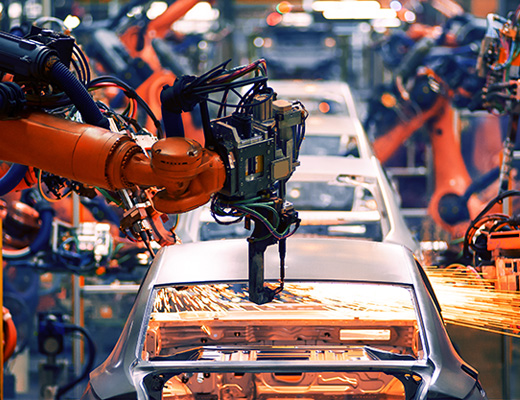
India is rapidly strengthening its position as a global manufacturing hub. The adoption of automation, robotics, and smart manufacturing technologies is improving productivity and operational efficiency across the automotive value chain.
At the same time, companies are focusing on supply chain localization to reduce dependency on imports and build greater resilience. Investments in semiconductor manufacturing, battery production, and auto component manufacturing are creating new opportunities for domestic and global players.
Sustainability Becoming a Strategic Imperative
Sustainability is no longer limited to regulatory compliance but has become a core business priority. Automotive companies are increasingly adopting green manufacturing practices, reducing carbon emissions, and investing in renewable energy solutions.
Environmental, Social, and Governance (ESG) considerations are also influencing investment decisions and corporate strategies. Businesses that prioritize sustainability are likely to gain stronger investor confidence and long-term competitive advantages.
Evolving Consumer Preferences Reshaping Market Demand
Consumer expectations in the Indian automotive market are changing rapidly. Demand for premium vehicles, SUVs, connected technologies, and personalized mobility experiences continues to rise.
The vehicle purchasing journey is also becoming increasingly digital, with consumers relying on online research, virtual showrooms, and omnichannel experiences before making purchase decisions. This shift is encouraging automotive companies to rethink traditional business models and customer engagement strategies.
Opportunities and Challenges Ahead
Despite strong growth prospects, the automotive industry continues to face several challenges, including supply chain disruptions, rising input costs, regulatory changes, and increasing competition. The transition toward electric and connected mobility also requires substantial investments in infrastructure, technology, and talent development.
However, these challenges also present significant opportunities. The rise of electric mobility, smart manufacturing, and digital ecosystems is creating new avenues for innovation, partnerships, and long-term value creation.
Future Outlook for India’s Automotive Industry
India’s automotive sector stands at a pivotal moment in its evolution. The decisions made today regarding technology adoption, sustainability initiatives, and investment strategies will shape the future trajectory of the industry.
Companies that embrace innovation, strengthen supply chains, invest in advanced mobility solutions, and adapt to changing consumer expectations will be best positioned to lead the next phase of growth. As the industry moves toward a more connected, sustainable, and technology-driven future, India is poised to emerge as one of the world’s most influential automotive and mobility markets.