India’s startup ecosystem is evolving beyond the pursuit of scale and valuations. A new generation of entrepreneurs is building businesses rooted in innovation, resilience, and global ambition—creating solutions that will shape the country’s economic and technological future.
A New Chapter in India’s Startup Journey
For more than a decade, India’s startup ecosystem has been celebrated for its rapid growth, digital disruption, and record-breaking investments. The first wave transformed how Indians shop, pay, travel, and communicate. Today, however, a different story is unfolding. The country’s next generation of startups is driven by a broader vision—one that values long-term impact over short-term hype and innovation over imitation.
Moving Beyond Consumer Tech
Today’s entrepreneurs are venturing beyond consumer internet businesses into manufacturing, deep technology, clean energy, artificial intelligence, biotechnology, agritech, spacetech, semiconductor design, and industrial automation. They are developing solutions for industries that form the backbone of economic growth while positioning India as a global innovation hub.
Building on a Stronger Innovation Ecosystem
This evolution is supported by a stronger innovation ecosystem than ever before. Government initiatives, expanding digital infrastructure, a thriving venture capital landscape, academic research, and a growing network of incubators have created an environment where ambitious ideas can flourish. More importantly, Indian founders are increasingly thinking globally from day one, designing products and technologies that can compete in international markets while addressing local challenges.
AI and Deep Technology Lead the Next Wave
Artificial intelligence is accelerating this transformation. Rather than simply automating existing processes, startups are embedding AI into manufacturing, logistics, healthcare, financial services, education, agriculture, and enterprise software. The result is a new generation of businesses focused on productivity, efficiency, and intelligent decision-making rather than merely offering digital convenience.
Sustainability as a Competitive Advantage
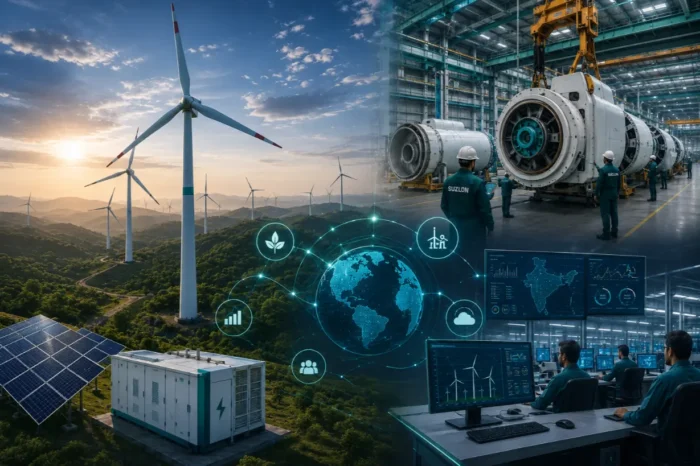
Sustainability has also become central to entrepreneurial thinking. Climate technology, renewable energy, electric mobility, battery innovation, circular manufacturing, waste management, and resource-efficient industrial solutions are attracting both talent and investment. Startups increasingly recognise that environmental responsibility and commercial success can reinforce one another, creating businesses that are both profitable and future-ready.
From Growth at All Costs to Sustainable Growth
Perhaps the most significant change is cultural. The new generation of founders is placing greater emphasis on resilient business models, sound governance, responsible growth, and customer value. Profitability, operational discipline, and long-term resilience are replacing the earlier obsession with rapid expansion at any cost. Investors, too, are rewarding businesses that demonstrate strong fundamentals alongside innovation.
India’s Global Opportunity
India’s demographic advantage further strengthens this momentum. A young workforce, rising digital adoption, expanding technical talent, and growing entrepreneurial ambition provide fertile ground for the next wave of breakthrough companies. As global supply chains diversify and businesses seek trusted innovation partners, India has a unique opportunity to emerge not only as one of the world’s largest startup ecosystems but also as a leader in high-value innovation.
Looking Ahead
The future of India’s startup ecosystem will not be defined solely by the number of unicorns it creates. Its true success will be measured by the industries it transforms, the technologies it develops, the jobs it generates, and the global influence its entrepreneurs command.
The next generation of Indian startups is building more than successful companies. It is laying the foundation for a resilient, technology-driven, and globally competitive economy. The vision taking shape today will influence not only India’s entrepreneurial landscape but also its role in the global innovation ecosystem for decades to come.