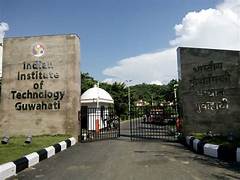
Ensuring access to safe drinking water requires more than expanding infrastructure. It also depends on the ability to detect contamination quickly, accurately and at the point of consumption. A new optical sensing technology developed by researchers at IIT Guwahati could help address this challenge by bringing water-quality testing closer to the communities and institutions that need it most.
The portable E-Eye device is designed to detect toxicants in water on-site, converting chemical reactions into digital data that can be interpreted quickly. By reducing dependence on conventional laboratory-based testing, such technology could make water-quality monitoring faster and potentially more accessible.
Turning Chemical Detection Into Digital Intelligence
Traditional water testing can require sample collection, transportation and laboratory analysis. While these methods remain important, they can create delays when immediate decisions are required.
E-Eye’s approach combines optical sensing with digital analysis, allowing chemical reactions associated with contaminants to be translated into usable data. The portability of the system is particularly important for applications where laboratory facilities may not be readily available.
The development illustrates a broader trend in technology: bringing sophisticated sensing and analytical capabilities into compact, field-ready devices.
Technology Supporting Water Security
The potential applications extend across government programmes, industrial facilities and public-health systems. Regular on-site monitoring could help authorities identify contamination risks earlier, while industries could use such systems for process and wastewater monitoring.
The technology also aligns with the broader objectives of the Jal Jeevan Mission, where ensuring reliable access to safe drinking water remains a critical national priority.
From Research to Real-World Impact
The larger significance of innovations such as E-Eye lies in their ability to move scientific research beyond laboratories and into everyday infrastructure.
For India, scalable water-testing technologies could become increasingly important as urbanisation, industrialisation and climate-related pressures place greater demands on water resources.
The next step will be translating research success into widespread deployment—through validation, affordability, manufacturing scale-up and integration with existing water-monitoring systems.
If those challenges can be addressed, portable technologies such as E-Eye could help transform water-quality monitoring from a periodic laboratory exercise into a faster, more decentralised and data-driven process.
The innovation is a reminder that India’s water-security challenge will require not only new infrastructure, but also new technologies capable of making that infrastructure smarter, more responsive and more accountable.