
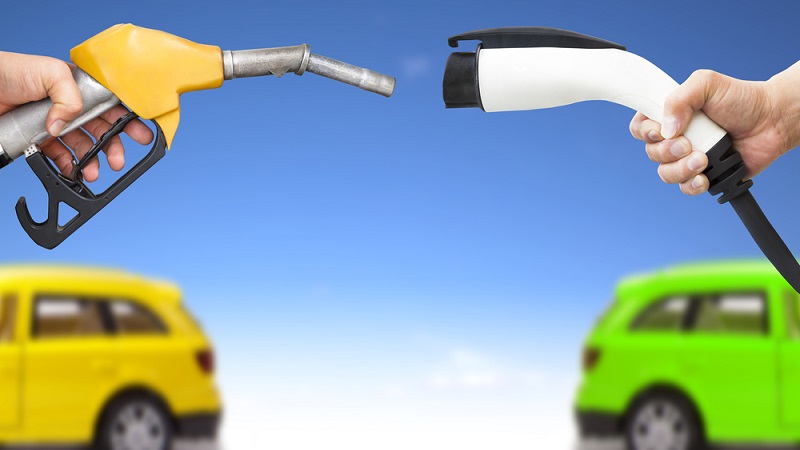
The global automotive industry is undergoing one of the biggest transformations in its history as automakers shift from Internal Combustion Engine (ICE) vehicles to electric vehicles (EVs). Driven by stricter environmental regulations, changing consumer preferences, technological advancements, and sustainability goals, this transition is fundamentally redefining traditional business models across the Indian automotive industry and global markets.
For decades, automobile manufacturers primarily focused on vehicle production and sales. Today, companies are evolving into integrated mobility and technology providers, investing heavily in electric mobility, software capabilities, battery ecosystems, and digital services.
The Shift from Product-Centric to Ecosystem-Centric Models
The transition from ICE to EV is not simply about replacing engines with batteries. It requires automakers to rethink their entire value chain and business strategy.
Leading automotive companies are increasingly building comprehensive ecosystems that include vehicle manufacturing, charging infrastructure, battery partnerships, connected services, and energy solutions. This ecosystem approach enables manufacturers to create new revenue streams while enhancing customer engagement and long-term brand loyalty.
Massive Investments in Electric Mobility
Automakers worldwide are committing billions of dollars toward electric vehicle development. Investments are being directed toward EV platforms, battery technologies, manufacturing facilities, and research and development.
In India, automotive manufacturers are expanding their electric portfolios across passenger vehicles, two-wheelers, and commercial fleets. The growing demand for sustainable transportation and government support for electric mobility are accelerating these investments and creating new opportunities within the electric vehicle market in India.
Battery Technology Becoming a Strategic Priority
Batteries have become one of the most critical components in the electric mobility ecosystem. Unlike traditional ICE vehicles, where engines represented a core differentiator, battery technology now plays a central role in determining vehicle performance, range, and affordability.
Automakers are increasingly entering strategic partnerships with battery manufacturers and investing in localized battery production. Securing access to battery supply chains has become a major competitive advantage in the rapidly evolving EV industry.
Rise of Software-Defined Vehicles
The shift to EVs is also accelerating the emergence of software-defined vehicles. Modern electric vehicles increasingly rely on advanced software systems for vehicle performance, connectivity, energy management, and customer experience.
Automakers are investing significantly in artificial intelligence, data analytics, connected technologies, and over-the-air updates. Software services are expected to become important revenue generators through subscription models, premium features, and personalized digital experiences.
New Revenue Streams Beyond Vehicle Sales
Traditional automotive business models primarily depended on one-time vehicle sales and after-sales services. The EV transition is encouraging manufacturers to diversify their revenue streams.
Companies are increasingly exploring opportunities in charging services, battery leasing, fleet management solutions, energy storage, mobility subscriptions, and connected vehicle services. This shift is transforming automakers into broader mobility and technology companies.
Manufacturing and Supply Chain Transformation
The transition from ICE to EV requires significant changes in manufacturing processes and supply chain structures. EV production involves different components, technologies, and supplier networks compared to conventional vehicles.
Automakers are increasingly focusing on localization strategies, semiconductor sourcing, battery manufacturing, and advanced manufacturing technologies to improve resilience and reduce costs. Investments in smart factories, automation, and Industry 4.0 technologies are further accelerating this transformation.
Challenges in the Transition to Electric Mobility
Despite the significant opportunities, the shift from ICE to EV presents several challenges. High capital investments, charging infrastructure limitations, raw material dependencies, and workforce reskilling requirements remain key concerns for automotive companies.
Manufacturers must also manage the gradual decline of traditional ICE businesses while simultaneously investing in future technologies. Successfully balancing these parallel transitions will be crucial for long-term competitiveness.
Future Outlook for the Automotive Industry
The transition from ICE to EV represents more than a technological shift—it marks a complete reinvention of the automotive business model. Companies that successfully adapt to changing market dynamics, invest in innovation, and build integrated mobility ecosystems will emerge as leaders in the next phase of industry growth.
As electric mobility continues to gain momentum, automakers are evolving from traditional vehicle manufacturers into technology-driven mobility companies. This transformation is expected to redefine the future of the automobile industry, creating new opportunities across manufacturing, energy, software, and digital services.