
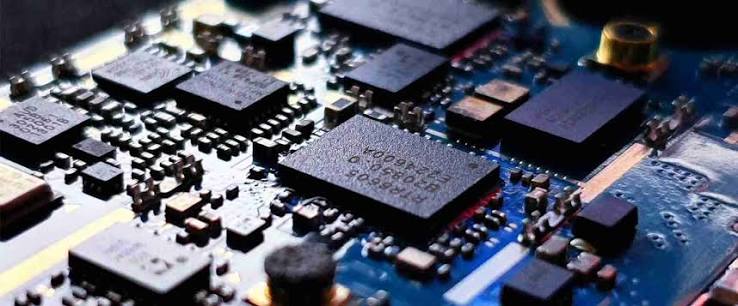
India’s electronics manufacturing ambitions are increasingly shifting from assembling finished products to building a stronger domestic component ecosystem. In a significant industry demand, the Electronics Industries Association of India (ELCINA) had sought a ₹72,500-crore support package to expand local production of electronic components and reduce the country’s dependence on imports.
The proposal came as India was targeting electronics production of around $500 billion by 2030. ELCINA estimated that the demand-supply gap for electronics inputs could reach $248 billion, much of which would have to be met through imports without stronger domestic manufacturing capacity.
The Component Gap
India has made rapid progress in electronics assembly, particularly in mobile phones and consumer electronics. However, a large share of the components, materials and sub-assemblies required by manufacturers are still sourced from overseas.
Electronic components can account for a substantial portion of the value of a finished product. ELCINA estimated that components represent around 60% of total product value, with non-semiconductor components accounting for about 40% and semiconductors around 20%.
This creates a structural challenge. A country can increase its electronics exports while still remaining heavily dependent on imported inputs. Building a deeper domestic component industry is therefore essential if India wants to capture more value within its manufacturing ecosystem.
Why Manufacturers Wanted Government Support
According to ELCINA, component manufacturing involves high operating costs, relatively low initial returns and long gestation periods. The industry therefore requested $2.14 billion for capital expenditure support and $6.43 billion through production-linked incentives, together forming the proposed $8.57-billion package.
The objective was not simply to provide financial assistance but to make investments in components more commercially viable and encourage companies to establish larger manufacturing capacities.
The association estimated that stronger policy support could attract around $36 billion in additional investment by 2030 and create approximately 5 million additional jobs.
Policy Response Has Already Begun
The demand also became part of the policy conversation that led to India’s Electronics Component Manufacturing Scheme. In March 2025, the Union Cabinet approved a ₹22,919-crore production-linked incentive scheme for passive and non-semiconductor electronic components.
The government said the scheme could attract about ₹59,350 crore in investment, generate ₹4.56 lakh crore of production and create approximately 91,600 direct jobs over its six-year period.
This marks an important evolution in India’s electronics strategy—from focusing primarily on finished-device manufacturing toward developing the component base that supports it.
Building a Deeper Electronics Ecosystem
The opportunity extends across printed circuit boards, passive components, metallic components, specialised electronic parts and other inputs required by industries ranging from automobiles and telecom to medical devices and industrial equipment.
A stronger domestic component ecosystem could also make Indian manufacturing more resilient to global supply-chain disruptions and improve the country’s ability to become an export hub.
From Assembly to Value Creation
India’s next electronics manufacturing challenge is not simply producing more devices. It is capturing more value inside the country.
Government incentives can provide the initial push, but long-term competitiveness will depend on technology, scale, skilled talent, reliable infrastructure and globally competitive costs. If these elements come together, the component industry could become one of the most important building blocks of India’s ambition to emerge as a major global electronics manufacturing centre.