
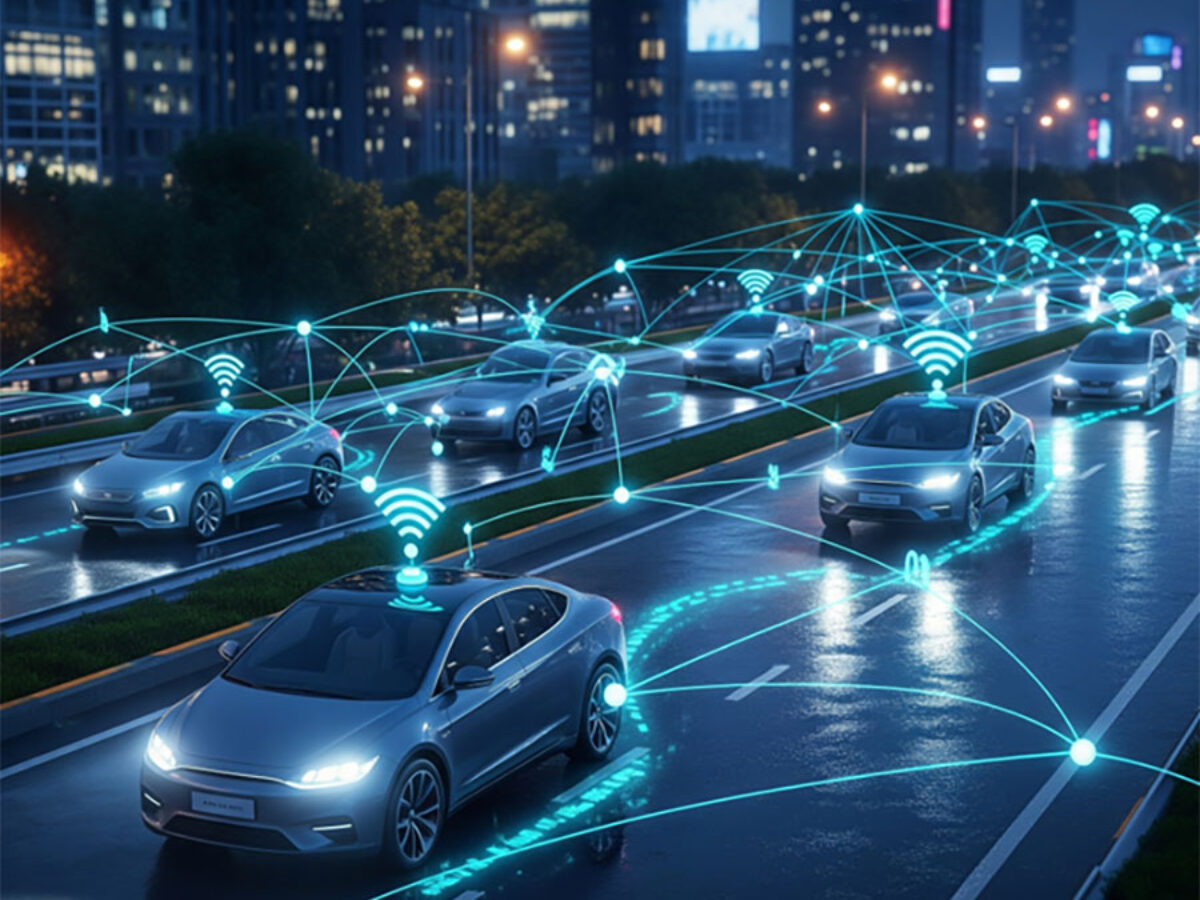
The automotive industry is undergoing a profound transformation as vehicles become increasingly connected, intelligent, and autonomous. Technologies such as connected cars, artificial intelligence (AI), and autonomous driving systems are redefining the future of mobility and creating new opportunities across the global automotive ecosystem.
For the Indian automotive industry, these advancements represent more than technological innovations—they signal a fundamental shift in how vehicles are designed, manufactured, and experienced. As consumer expectations evolve and digital technologies become central to mobility solutions, the next frontier of the automobile sector will be driven by software, data, and intelligent connectivity.
The Rise of Connected Cars
Connected vehicles are rapidly becoming the new standard in the automotive industry. Modern vehicles are increasingly equipped with internet connectivity, cloud-based services, real-time navigation, remote diagnostics, and over-the-air software updates.
Consumers today expect seamless digital experiences similar to smartphones and other connected devices. Features such as predictive maintenance, vehicle tracking, voice assistance, and personalized infotainment systems are becoming major differentiators for automotive brands.
The growth of connected cars is also creating new revenue opportunities for automakers through subscription services, digital platforms, and data-driven business models.
Artificial Intelligence Transforming Mobility
Artificial intelligence is playing an increasingly important role in reshaping the future of mobility. AI-powered technologies are improving vehicle safety, enhancing driving experiences, and enabling smarter decision-making across the automotive value chain.
Automotive companies are using AI for predictive maintenance, driver behavior analysis, intelligent navigation, manufacturing automation, and customer personalization. AI is also improving operational efficiencies by optimizing production processes, supply chains, and quality control systems.
As vehicles become more software-driven, artificial intelligence will continue to be a key enabler of innovation in the automobile industry.
Autonomous Driving Moving from Vision to Reality
Autonomous driving technology is gradually moving from concept to commercialization. Advanced Driver Assistance Systems (ADAS), including adaptive cruise control, lane-keeping assistance, automatic emergency braking, and self-parking technologies, are already becoming increasingly common.
While fully autonomous vehicles may still take time to achieve widespread adoption, significant progress is being made in developing higher levels of vehicle automation. Global automakers and technology companies are investing heavily in autonomous mobility solutions that could fundamentally transform transportation systems in the future.
The evolution toward autonomous driving is expected to improve road safety, reduce traffic congestion, and enhance mobility accessibility.
Data Becoming the New Engine of the Automotive Industry
Connected and autonomous vehicles generate vast amounts of data every day. This data is becoming one of the most valuable assets in the future mobility ecosystem.
Automotive companies are increasingly leveraging vehicle data to improve customer experiences, develop new services, enhance product performance, and create personalized mobility solutions. Data analytics is also enabling predictive maintenance and more efficient fleet management capabilities.
As a result, automakers are increasingly evolving into technology and software companies, with data becoming a central component of their business strategies.
Challenges in the Connected Mobility Ecosystem
Despite the enormous opportunities, several challenges remain. Cybersecurity risks, data privacy concerns, regulatory uncertainties, and infrastructure limitations continue to pose significant barriers to widespread adoption.
The successful deployment of connected and autonomous technologies will require robust digital infrastructure, clear regulatory frameworks, and significant investments in research and development. Collaboration between governments, automotive companies, and technology providers will be essential to accelerate innovation while ensuring safety and security.
Opportunities for the Indian Automotive Industry
India presents significant opportunities in the connected mobility landscape due to its growing digital ecosystem, expanding technology capabilities, and large consumer base.
The increasing adoption of smart technologies, 5G connectivity, and digital services can accelerate the development of connected vehicle solutions in the country. Indian automotive companies also have an opportunity to become important players in automotive software development, AI-driven mobility solutions, and intelligent transportation systems.
Future Outlook for Intelligent Mobility
Connected cars, artificial intelligence, and autonomous driving technologies are set to redefine the future of transportation. The automotive industry is rapidly shifting from a hardware-centric model to a software-driven mobility ecosystem.
Companies that invest in digital capabilities, AI technologies, cybersecurity, and advanced mobility solutions will be best positioned to lead the next phase of industry growth.
As mobility becomes increasingly connected, intelligent, and autonomous, these technologies will shape the next frontier of the global and Indian automotive industries, creating new business models and transforming how people and goods move in the decades ahead.