India’s next manufacturing chapter will not be defined only by scale, but by innovation, technology, and the ability to create globally competitive industrial ecosystems.
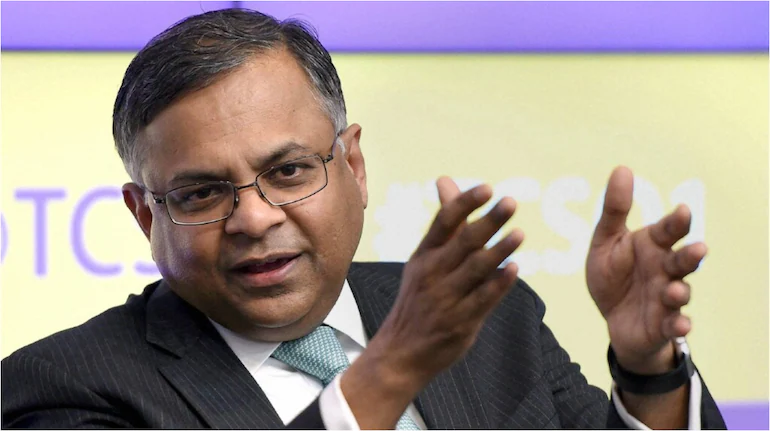
India stands at a pivotal moment in its manufacturing journey. As global supply chains undergo a major transformation, the country has a historic opportunity to emerge as a preferred destination for advanced manufacturing. For N. Chandrasekaran, Chairman of Tata Sons, this opportunity goes beyond attracting investments — it is about building capabilities that position India among the world’s leading industrial economies.
From Manufacturing Scale to Manufacturing Strength
For decades, India’s manufacturing ambitions have focused on increasing production capacity and attracting global companies. However, the next phase requires a deeper transformation — developing world-class suppliers, advanced technologies, skilled talent, and innovation-driven ecosystems.
Chandrasekaran’s vision reflects this shift: India must move from being a manufacturing destination to becoming a manufacturing powerhouse that designs, develops, and delivers products for global markets.
The Future Factory Will Be Digital, Intelligent and Sustainable
The factories of tomorrow will look very different from traditional production facilities. Artificial intelligence, automation, robotics, data analytics, and connected systems are redefining how industries operate.
India’s manufacturing opportunity lies in embracing these technologies across sectors such as:
- Semiconductors and Electronics — creating strategic capabilities in high-value technology manufacturing
- Automotive and Electric Mobility — strengthening India’s position in next-generation transportation
- Defence and Aerospace — developing indigenous manufacturing capabilities
- Renewable Energy — building sustainable industrial ecosystems
- Industrial AI and Automation — improving productivity and global competitiveness
Building an Ecosystem, Not Just Factories
A successful manufacturing economy is built on more than large production facilities. It requires a network of component manufacturers, technology providers, research institutions, startups, and skilled professionals.
India’s advantage lies in its combination of engineering talent, expanding domestic market, digital infrastructure, and entrepreneurial ecosystem. The challenge ahead is converting these strengths into globally competitive industrial capacity.
Technology Ownership Will Define the Next Industrial Era
The future of manufacturing will belong to countries that control technology, not just production. From semiconductor design to industrial software and advanced materials, technology capability will determine global competitiveness.
Chandrasekaran has consistently emphasised the importance of developing indigenous capabilities and investing in innovation. For India, the goal is not only to participate in global value chains but to become a key contributor to them.
India’s Manufacturing Moment
The next decade could redefine India’s industrial landscape. With the right combination of policy support, private investment, innovation, and talent development, India can build factories that are smarter, cleaner, and more globally integrated.
The manufacturing opportunity ahead is not simply about making more products — it is about creating the industries of the future.
India’s next manufacturing chapter will not be defined only by scale, but by innovation, technology, and the ability to create globally competitive industrial ecosystems.
India stands at a pivotal moment in its manufacturing journey. As global supply chains undergo a major transformation, the country has a historic opportunity to emerge as a preferred destination for advanced manufacturing. For N. Chandrasekaran, Chairman of Tata Sons, this opportunity goes beyond attracting investments — it is about building capabilities that position India among the world’s leading industrial economies.
From Manufacturing Scale to Manufacturing Strength
For decades, India’s manufacturing ambitions have focused on increasing production capacity and attracting global companies. However, the next phase requires a deeper transformation — developing world-class suppliers, advanced technologies, skilled talent, and innovation-driven ecosystems.
Chandrasekaran’s vision reflects this shift: India must move from being a manufacturing destination to becoming a manufacturing powerhouse that designs, develops, and delivers products for global markets.
The Future Factory Will Be Digital, Intelligent and Sustainable
The factories of tomorrow will look very different from traditional production facilities. Artificial intelligence, automation, robotics, data analytics, and connected systems are redefining how industries operate.
India’s manufacturing opportunity lies in embracing these technologies across sectors such as:
- Semiconductors and Electronics — creating strategic capabilities in high-value technology manufacturing
- Automotive and Electric Mobility — strengthening India’s position in next-generation transportation
- Defence and Aerospace — developing indigenous manufacturing capabilities
- Renewable Energy — building sustainable industrial ecosystems
- Industrial AI and Automation — improving productivity and global competitiveness
Building an Ecosystem, Not Just Factories
A successful manufacturing economy is built on more than large production facilities. It requires a network of component manufacturers, technology providers, research institutions, startups, and skilled professionals.
India’s advantage lies in its combination of engineering talent, expanding domestic market, digital infrastructure, and entrepreneurial ecosystem. The challenge ahead is converting these strengths into globally competitive industrial capacity.
Technology Ownership Will Define the Next Industrial Era
The future of manufacturing will belong to countries that control technology, not just production. From semiconductor design to industrial software and advanced materials, technology capability will determine global competitiveness.
Chandrasekaran has consistently emphasised the importance of developing indigenous capabilities and investing in innovation. For India, the goal is not only to participate in global value chains but to become a key contributor to them.
India’s Manufacturing Moment
The next decade could redefine India’s industrial landscape. With the right combination of policy support, private investment, innovation, and talent development, India can build factories that are smarter, cleaner, and more globally integrated.
The manufacturing opportunity ahead is not simply about making more products — it is about creating the industries of the future.
N. Chandrasekaran’s message is clear: India’s manufacturing journey must move from capacity creation to capability building, from assembly to innovation, and from participation to global leadership.