
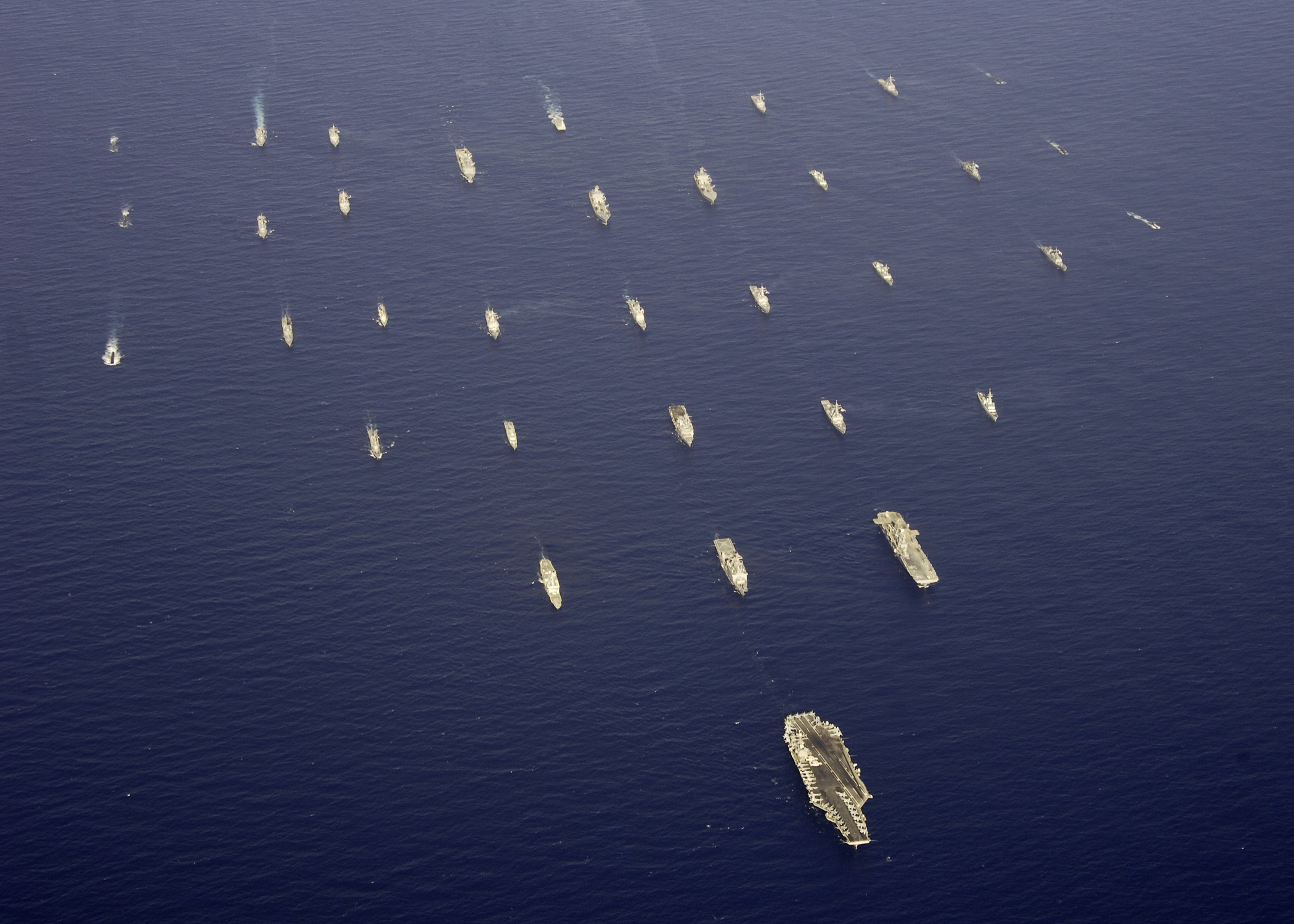
As maritime security becomes increasingly central to global geopolitics, India is rapidly strengthening its Blue-Water Navy to safeguard national interests, secure critical sea lanes, and expand its strategic presence across the Indo-Pacific region. With growing investments in indigenous shipbuilding, advanced naval technologies, and maritime infrastructure, the Indian Navy is emerging as a key pillar of the country’s defence modernization and manufacturing ambitions.
Why a Blue-Water Navy Matters
A Blue-Water Navy refers to a naval force capable of operating across the world’s oceans, far beyond a nation’s coastline. For India, whose nearly 95% of trade by volume moves through maritime routes, a capable navy is essential for protecting commerce, ensuring energy security, responding to humanitarian crises, and maintaining regional stability.
The Indian Ocean has become one of the world’s most strategically important regions, carrying a significant share of global trade and energy shipments. As geopolitical competition intensifies, strengthening naval capabilities has become a strategic necessity rather than an option.
Indigenous Shipbuilding Takes Center Stage
India’s naval modernization is closely tied to the Make in India and Atmanirbhar Bharat initiatives. The government is prioritizing indigenous design and manufacturing of aircraft carriers, destroyers, frigates, submarines, patrol vessels, and support ships to reduce dependence on foreign suppliers.
Public sector shipyards and private defence manufacturers are working together to develop sophisticated naval platforms equipped with modern sensors, missile systems, electronic warfare capabilities, and advanced propulsion technologies. This collaborative ecosystem is creating a stronger domestic maritime manufacturing base while generating skilled employment and encouraging technology development.
Modern Technologies Strengthen Naval Capabilities
Today’s naval warfare extends far beyond conventional ships. Artificial intelligence, autonomous underwater vehicles, advanced radar systems, cybersecurity, satellite communications, and integrated combat management systems are transforming maritime operations.
India is investing in network-centric warfare, maritime surveillance, unmanned platforms, and data-driven decision-making to improve operational readiness. These technologies enhance the Navy’s ability to monitor vast ocean territories, respond rapidly to emerging threats, and coordinate seamlessly with air and land forces.
Building a Competitive Maritime Industrial Ecosystem
The expansion of naval capabilities is creating new opportunities for India’s manufacturing sector. Shipbuilding requires a complex supply chain involving steel, electronics, propulsion systems, marine engineering, precision components, software, and advanced materials.
This growing ecosystem is encouraging greater participation from MSMEs, startups, and private engineering companies, strengthening India’s maritime industrial capabilities. Increased domestic production also supports export opportunities as Indian shipyards gain recognition for building reliable and cost-effective naval platforms.
Strategic Partnerships and Regional Security
India continues to deepen maritime cooperation with friendly nations through joint naval exercises, defence partnerships, technology collaborations, and coordinated patrols. These partnerships improve interoperability while supporting a secure and stable Indo-Pacific region.
At the same time, expanding indigenous capabilities allows India to maintain greater strategic autonomy in defence procurement and long-term fleet development.
Challenges Ahead
Despite significant progress, the naval sector faces challenges including long project timelines, high capital requirements, technology-intensive manufacturing, and the need for continuous research and development. Accelerating indigenous production of critical marine systems, advanced propulsion technologies, and defence electronics will be essential for sustaining long-term growth.
Developing a resilient domestic supply chain and investing in next-generation naval technologies will further strengthen India’s competitiveness in the global maritime industry.
Outlook: Sailing Toward Maritime Leadership
India’s Blue-Water Navy is becoming more than a symbol of military strength—it is driving industrial growth, technological innovation, and manufacturing excellence. Continued investment in indigenous shipbuilding, defence technology, and maritime infrastructure is creating a robust ecosystem capable of supporting both national security and economic development.
As global trade increasingly depends on secure sea routes and geopolitical dynamics continue to evolve, India’s expanding naval capabilities will play a vital role in safeguarding strategic interests while positioning the country as a leading maritime power. Strengthening the Blue-Water Navy is not only enhancing defence preparedness but also reinforcing India’s emergence as a global hub for naval manufacturing and maritime innovation.