
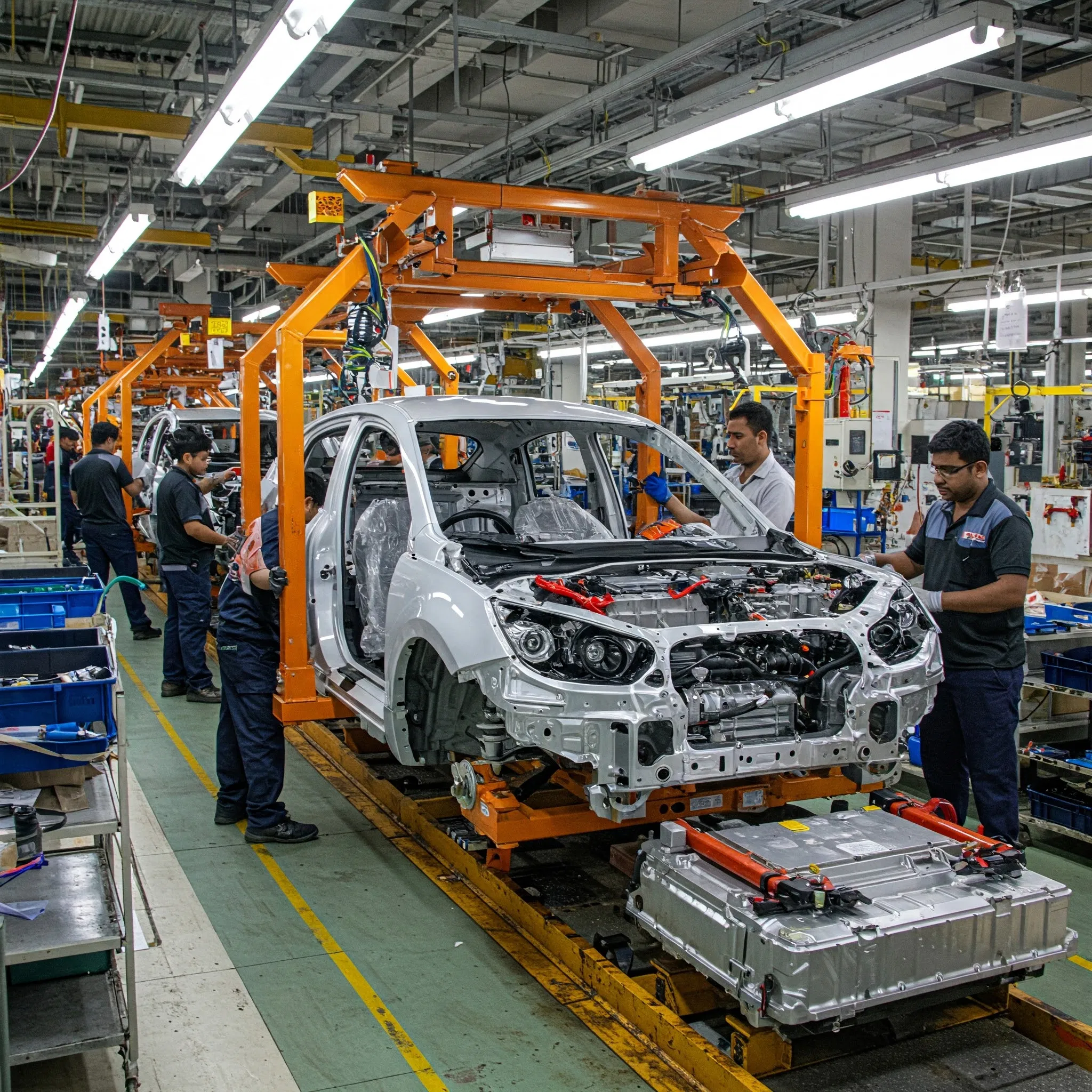
Localization is emerging as one of the most important drivers of growth in India’s automotive industry. As global supply chains continue to evolve and manufacturers seek greater resilience, automotive companies are increasingly focusing on domestic sourcing, local manufacturing, and strengthening regional supplier ecosystems. This strategic shift is not only reducing dependency on imports but also positioning India as a competitive global manufacturing hub.
For the Indian automotive industry, localization is becoming a critical factor in improving cost efficiency, enhancing supply chain resilience, accelerating innovation, and supporting long-term sustainable growth.
Why Localization Has Become a Strategic Priority
Recent global disruptions, including semiconductor shortages, geopolitical uncertainties, and logistics challenges, exposed vulnerabilities in highly dependent international supply chains. As a result, automotive companies are re-evaluating their sourcing strategies and increasing investments in local manufacturing capabilities.
Localization enables manufacturers to reduce supply chain risks, shorten delivery timelines, and improve operational flexibility. It also allows companies to respond more effectively to changing market demands and regulatory requirements.
Strengthening Domestic Manufacturing Capabilities
India has steadily developed strong capabilities in automotive manufacturing, engineering, and auto component production. The country is already among the world’s largest producers of passenger vehicles, two-wheelers, and commercial vehicles.
Increasing localization is helping strengthen the domestic manufacturing ecosystem by encouraging investments in components, electronics, semiconductors, and advanced technologies. Government initiatives supporting domestic production are further accelerating this transition and creating new opportunities for industry stakeholders.
Reducing Costs and Enhancing Competitiveness
One of the biggest advantages of localization is improved cost competitiveness. Local sourcing reduces import dependency, minimizes logistics costs, and protects manufacturers from currency fluctuations and global supply disruptions.
A stronger domestic supplier base also allows automotive companies to optimize production processes and improve efficiency. These cost advantages can help Indian manufacturers become more competitive in both domestic and international markets.
Accelerating the Growth of the EV Ecosystem
The transition toward electric vehicles (EVs) is creating a renewed focus on localization. EV manufacturing requires batteries, semiconductors, electronics, and advanced materials that are currently heavily dependent on global supply chains.
Developing local capabilities in battery manufacturing, component production, and charging infrastructure will be essential for strengthening India’s position in the electric vehicle market in India. Increased localization can improve supply chain security and support the long-term growth of the country’s EV ecosystem.
Creating Employment and Supporting Economic Growth
Localization has significant economic implications beyond the automotive sector itself. Expanding domestic manufacturing capabilities can create employment opportunities across engineering, manufacturing, logistics, technology, and ancillary industries.
A stronger automotive ecosystem can also stimulate investments, encourage innovation, and contribute significantly to India’s broader industrial and economic development objectives. The sector’s multiplier effect makes localization an important contributor to overall economic growth.
Enhancing India’s Global Manufacturing Position
India’s combination of engineering talent, manufacturing expertise, and cost competitiveness provides a strong foundation for becoming a global automotive production hub.
As global companies increasingly diversify their supply chains, India has an opportunity to attract additional investments and strengthen its role in international automotive value chains. Greater localization can improve export competitiveness and position India as a preferred destination for manufacturing vehicles, components, and advanced mobility technologies.
Challenges in Achieving Greater Localization
Despite significant progress, several challenges remain. Building advanced manufacturing capabilities, securing access to critical raw materials, and increasing investments in research and development will be essential.
The industry must also focus on skill development, technology transfer, and strengthening supplier capabilities to fully realize the benefits of localization. Collaboration between government, manufacturers, suppliers, and technology companies will play a critical role in overcoming these challenges.
Future Outlook for India’s Automotive Growth Story
Localization is becoming a defining pillar of India’s automotive growth strategy. Beyond improving supply chain resilience and reducing costs, it is helping create a more competitive, innovative, and self-reliant automotive ecosystem.
As the industry continues its transition toward electric mobility, connected technologies, and advanced manufacturing, localization will remain central to future growth. Companies that invest in domestic capabilities and build strong local ecosystems will be better positioned to capitalize on emerging opportunities.
India’s automotive growth story is increasingly being shaped by its ability to localize manufacturing, strengthen supply chains, and foster innovation. In the coming years, localization could become one of the key factors that establishes India as a leading global automotive and mobility hub.