India’s electric two-wheeler market is witnessing a strong surge in consumer interest, with waiting periods increasing across several popular electric scooter models. As adoption of electric mobility accelerates, manufacturers are facing the challenge of balancing rising demand with production capacity.
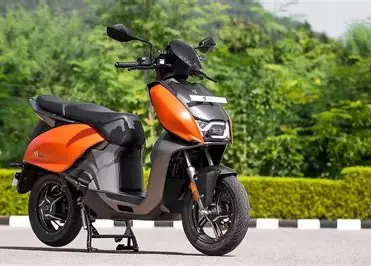
Companies including TVS Motor, Ola Electric, Bajaj Auto, Ather Energy, Hero MotoCorp (Vida) and River Mobility are seeing increased customer interest in their electric scooter portfolios, leading to longer delivery timelines in several markets.
Popular Models Face Longer Delivery Windows
The growing demand for electric scooters is particularly visible across some of the industry’s popular models. At one of TVS Motor’s largest dealerships in Chennai, the waiting period for multiple variants of the TVS iQube and Orbiter electric scooters has increased to more than two months, compared with around two to four weeks earlier.
A similar trend is emerging at Ather Energy dealerships. The company’s premium Rizta Z electric scooter currently carries a waiting period of around 25 days to one month in several markets. Some lower variants are experiencing longer delivery timelines as production is being prioritised for higher-end models to meet stronger customer demand.
Production Expansion Struggles to Match Growth
The increase in waiting periods highlights the challenge of scaling manufacturing operations in line with rapidly growing market demand. EV manufacturers are investing heavily in expanding production facilities, improving manufacturing efficiency and strengthening supplier networks.
Companies are also focusing on increasing localisation of components, particularly batteries and electronics, to create more reliable supply chains and improve production flexibility.
Supply Chains Under Continued Pressure
While India’s EV ecosystem has developed significantly, supply chain management remains a key factor influencing production and deliveries. Battery availability, semiconductor supply, component sourcing and logistics continue to impact manufacturing schedules.
To address these challenges, manufacturers are working with suppliers, expanding domestic sourcing and building stronger manufacturing ecosystems to support long-term growth.
What This Means for India’s EV Market
Longer waiting periods indicate strong consumer acceptance of electric vehicles and growing confidence in EV technology. However, they also highlight the importance of improving production capacity and customer delivery experience.
The demand momentum is expected to benefit the wider EV ecosystem, including battery manufacturers, charging infrastructure providers, component suppliers and technology companies supporting electric mobility.
The Next Phase of Electric Mobility
India’s electric scooter market is entering a crucial phase where demand generation is moving ahead of manufacturing readiness. As leading companies such as TVS Motor, Ola Electric, Bajaj Auto, Ather Energy and Hero MotoCorp continue to expand capacity and introduce new models, supply constraints are expected to gradually ease.
The companies that successfully balance production scale, innovation, quality and customer service will be better positioned to lead India’s rapidly growing electric mobility transition.