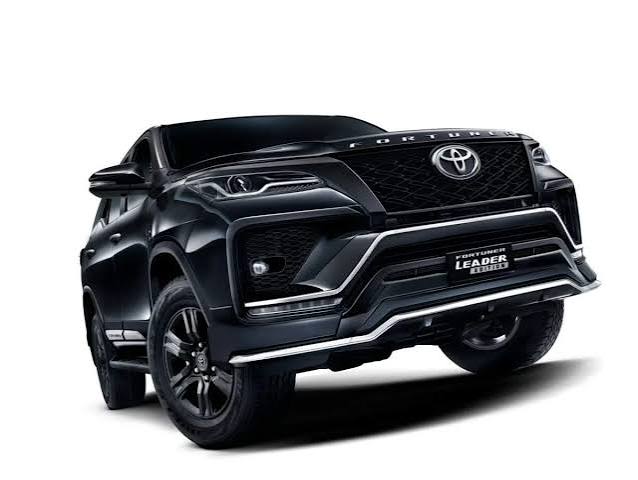
For more than a century, the automobile has been defined by what people can see—the shape of the vehicle, the power of its engine, its design and, ultimately, the badge on the bonnet. But the next chapter of mobility is being shaped by technologies that are often invisible to the person sitting behind the wheel. Inside a battery cell, a power semiconductor, a motor controller, a sensor, a software platform or a charging system, a new mobility ecosystem is taking shape. The vehicle remains the product, but it is no longer the whole story.
India’s mobility industry is entering a period of transformation in which the traditional boundaries between automotive, electronics, software, energy and advanced manufacturing are becoming increasingly blurred. Electric powertrains are changing the fundamentals of vehicle engineering, while connected technologies and software are changing how vehicles operate, communicate and evolve. At the same time, batteries, semiconductors, power electronics, sensors, charging infrastructure, advanced materials and intelligent manufacturing are emerging as critical elements of the mobility value chain.
This transformation raises a much larger question than simply how many electric or connected vehicles India will produce. The more important question is who will build the technologies that make the next generation of mobility possible. The answer is unlikely to come from automobile manufacturers alone. It will increasingly come from a much wider ecosystem of component manufacturers, battery companies, electronics specialists, semiconductor businesses, software developers, engineering firms, charging-infrastructure providers and industrial technology companies.
The shift is particularly visible in the evolution of the vehicle itself. The automobile was once primarily a mechanical product, built around the engine, transmission and other physical systems. Today, it is becoming a complex combination of mechanical engineering, electronics, software, energy systems and data. A modern vehicle can depend on sophisticated battery-management systems, electronic control units, sensors, power electronics, connectivity platforms and software that can influence the vehicle’s functions long after it has left the factory. As these technologies become more important, the companies developing them are gaining a much greater role in shaping the future of mobility.
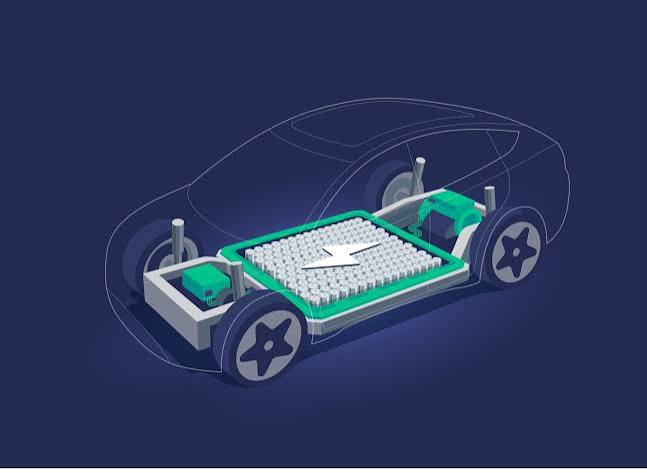
Few technologies demonstrate this change more clearly than the battery. For electric mobility, the battery influences range, charging time, vehicle weight, performance and economics. This has created an entirely new industrial opportunity around battery cells, battery packs, battery-management systems, thermal management, recycling and second-life applications. For India, the challenge is therefore not limited to increasing electric-vehicle adoption. It also involves developing the manufacturing capabilities, engineering expertise, supply chains and technology ecosystem required to support a competitive electric-mobility industry.
At the same time, another transformation is taking place through software. Vehicles are becoming increasingly connected, while advanced driver-assistance systems, digital interfaces, telematics, cybersecurity and over-the-air updates are changing the role of software in the automobile. The vehicle is no longer necessarily a finished product when it leaves the factory. Its capabilities can increasingly evolve through software, creating a different relationship between manufacturers, technology companies and customers. This development is also opening the automotive industry to companies that historically had little connection with vehicle manufacturing, from software and cybersecurity specialists to semiconductor and electronics businesses.
The transformation extends further into the factory itself. As vehicles become more technologically complex, the manufacturing systems producing them are also changing. Robotics, artificial intelligence, machine vision, digital twins, connected equipment and data-driven production systems are enabling manufacturers to approach quality, productivity and maintenance in new ways. The factory of the future will not simply be about producing more vehicles at greater speed. It will increasingly be about using data to identify problems earlier, predict equipment failures, improve precision and respond to changing production requirements. For India’s wider manufacturing ecosystem, this creates opportunities that extend well beyond automotive.
Mobility is also becoming broader than the traditional passenger car. Electric two-wheelers, commercial vehicles, buses, fleet operations, logistics, charging networks and connected mobility platforms are creating new requirements across the industry. Each segment brings its own technological challenges, from energy efficiency and battery performance to charging infrastructure, vehicle intelligence and fleet management. The mobility transition is therefore not simply about replacing one type of vehicle with another. It is about rethinking how people and goods move and, equally importantly, how the industrial ecosystem supporting that movement is designed.
This is where the next phase of India’s mobility opportunity could become particularly significant. The country is not only a large vehicle market; it is also a major manufacturing base with capabilities across engineering, electronics, software, components, industrial automation and increasingly advanced technology. The companies operating across these areas have an opportunity to become important contributors to the global mobility supply chain, provided they can combine scale with innovation, quality and technological depth.
Some of these companies are established industrial players adapting their capabilities to a changing mobility landscape. Others are technology businesses entering automotive through specialised products and platforms. Start-ups are also attempting to solve specific challenges around batteries, software, connected systems, charging, electronics and new mobility models. Their paths may be different, but they are contributing to the same broader shift: the automobile is becoming part of a much larger technology ecosystem.
That ecosystem is what lies at the heart of BEYOND THE CAR. This Cover Story looks beyond the familiar image of the automobile to examine the companies, technologies and people working behind it. From batteries and semiconductors to software, power electronics, sensors, advanced materials, charging infrastructure and intelligent factories, the story explores the industrial capabilities that could shape India’s next mobility era.
The most important companies in the future of mobility may not always be the ones whose names appear on the vehicle. Some will be building the energy systems that power it. Some will develop the chips that control it, the software that makes it smarter, the materials that make it lighter, or the manufacturing technologies that allow it to be produced more efficiently. Their contribution may be less visible to the consumer, but increasingly critical to the vehicle itself.
The next mobility revolution, therefore, may not be visible from the driver’s seat. It is taking place beneath the surface, inside the systems, technologies and industrial capabilities that will determine what mobility looks like in the years ahead. Beyond the car is an ecosystem—and the companies building that ecosystem may ultimately determine the future of mobility.