
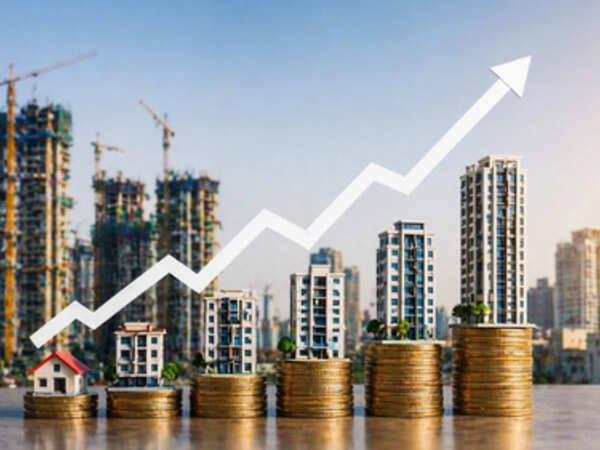
India’s real estate market has moved into the global top 30 for transparency, climbing five places from 31st to 26th in the 2026 JLL Global Real Estate Transparency Index (GRETI). The country is now positioned in the “Transparent” tier, marking one of its strongest improvements in the latest edition.
The improvement is significant not simply because of the change in ranking, but because transparency is increasingly becoming a core factor in how investors evaluate real estate markets.
Regulation and digitalisation drive improvement
JLL’s index assesses 88 countries and 146 city markets across 260 factors, covering areas including market fundamentals, regulatory and legal frameworks, transaction processes, performance measurement and sustainability.
For India, progress in regulatory frameworks, digitisation of land records, listed real estate markets and sustainability-related disclosures has contributed to the improvement. The regulatory and legal component saw particularly notable progress, with India moving from 37th to 19th globally, according to reporting on the JLL index.
India was also identified by JLL as the most improved market in Asia-Pacific and among the top five improvers globally in the 2026 index.
Transparency and capital are increasingly connected
The timing is notable. Cross-border investment into Indian real estate reached $8.1 billion, a reported 20-year high, while private-equity investment in Indian real estate reached $10.5 billion in 2025, according to industry reporting based on the JLL findings.
Globally, JLL found that transaction volumes in the 13 most transparent markets increased significantly over the past two years, highlighting the relationship between market information, investor participation and capital flows.
For India, stronger transparency can therefore support greater visibility into pricing, transactions, regulations, asset performance and investment risk.
The next challenge is consistency
The improvement does not mean India’s transparency gaps have disappeared.
Recent reporting on the JLL assessment points to continuing challenges around land pooling, master-plan implementation, contract enforcement, property data in secondary cities, building disclosures and digital mapping.
This distinction matters. Transparency in India’s major real estate markets has improved, but the depth and consistency of information can still vary considerably across locations and asset classes.
The next phase will therefore depend on whether digitalisation and regulatory reforms can translate into consistent, accessible and reliable information across the broader real estate ecosystem.
India’s move to 26th marks measurable progress. The larger story now is whether that progress can deepen enough to make transparency a standard feature of the market—not simply an improvement reflected in an international index.