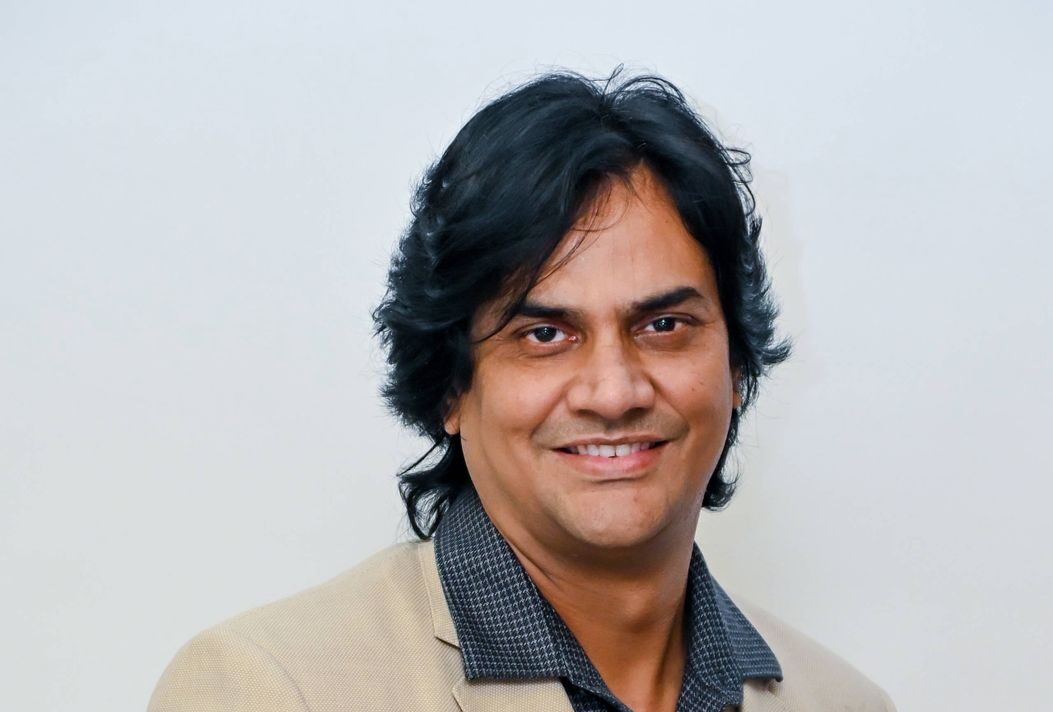
In a business world where trust can determine market access, compliance is no longer just a regulatory checkbox—it is a strategic advantage. For more than two decades, Shamkris has built its journey around this belief, evolving from a certification-focused organisation into a broader global business solutions partner. By helping companies navigate complex regulations, enter new markets and build credible operations, Shamkris is redefining compliance as a pathway to sustainable growth.
In this exclusive conversation with Mr. Shyam Sharma, Chief Managing Director, Shamkris, we explore the vision behind the company, the principles that have shaped its evolution, the changing global compliance landscape and its ambition to become a trusted bridge between Indian and international businesses.
Since the establishment of Shamkris, what was the original vision behind establishing the company, and what gap in the market were you trying to address?
When Shamkris was established, our vision was to help businesses understand that compliance is not simply a legal obligation—it is a foundation for building trust, credibility and sustainable growth. We identified a significant gap in the market. Many businesses had good products and strong commercial potential, but they struggled to understand certifications, regulatory requirements, market-entry procedures and the documentation required to operate successfully. Our objective was therefore to bridge the gap between business opportunity and regulatory compliance. Over time, this vision evolved beyond certification services into a broader business-solutions model, helping companies enter markets, establish operations, manage regulatory requirements and build sustainable businesses.
Which decision made at an early stage continues to benefit Shamkris today?
One of the most important decisions we made was to build Shamkris around knowledge, compliance and long-term client relationships rather than short term transactions. We continuously invested in understanding regulations, industry requirements and international market practices. This has helped us develop the ability to look at a client’s business from a wider perspective rather than addressing only one certification or approval. Today, that approach allows us to support clients across multiple stages—from market research and market entry to incorporation, product approvals, import-export support and ongoing compliance.
What are the most common compliance challenges businesses face when entering new markets?
The biggest challenge is usually not the regulation itself, but understanding which regulations apply and how they interact with one another. Businesses entering a new market may have to deal with product certifications, labelling requirements, import regulations, local representation, taxation, environmental requirements, sector-specific approvals and ongoing compliance. Another common challenge is assuming that compliance requirements are identical across countries. They are not. A product that is perfectly compliant in one country may require additional testing, registration, documentation or modification in another. Our role is to help businesses identify these requirements early, so that compliance becomes part of the market-entry strategy rather than becoming an obstacle after the business has already invested significant time and money.
How does Shamkris help companies navigate increasingly complex regulatory and certification requirements?
We take a 360-degree approach.
Depending on the client’s requirement, we can support market research, market-entry strategy, company incorporation, regulatory approvals, product certifications, import-export facilitation, documentation, compliance management and business advisory. Our objective is not simply to obtain a certificate. We try to understand the client’s complete business model—what they are selling, where they want to sell it, who their customers are and what regulatory framework applies. This enables us to provide practical solutions that connect regulatory compliance with commercial objectives.
What leadership principles have played the biggest role in building Shamkris over the last 20+ years?
Three principals have been particularly important: integrity, adaptability and continuous learning.
Integrity is fundamental because compliance and certification businesses are built on trust. Clients need to know that the advice they receive is accurate and responsible. Adaptability is equally important because regulations, technology, markets and customer expectations continuously change. A company that does not evolve will eventually become irrelevant. Finally, continuous learning has been central to our growth. Over the last two decades, Shamkris has evolved because we have continuously expanded our knowledge, services and understanding of international business. I also believe that leadership is not about creating dependence on one individual. It is about building a capable team, systems and culture that can continue creating value for clients over the long term.
“Our journey has always been about bridging the gap between business opportunity and regulatory compliance—helping companies turn complexity into confidence and opportunity into sustainable growth.”
What are Shamkris’ key priorities for the next 3–5 years?
Our focus over the next three to five years is to strengthen Shamkris as a global business solutions and market-entry platform. We want to deepen our capabilities in international market entry, regulatory consulting, compliance management, import-export facilitation and business representation. We also see significant opportunities in helping international companies enter India and helping Indian companies expand internationally. Technology will be another important area. We want to use digital systems, data and automation to make compliance and regulatory processes more transparent, efficient and easier for businesses to manage. Ultimately, our goal is to become a trusted bridge between global businesses and the Indian market, as well as between Indian businesses and international markets.
What emerging compliance or regulatory trends should Indian businesses start preparing for today?
Indian businesses should prepare for compliance becoming increasingly datadriven, transparent and internationally aligned.
Environmental, Social and Governance expectations are becoming increasingly important, particularly for companies working with international customers and supply chains. We are also seeing greater emphasis on product traceability, sustainability, responsible sourcing, data management, cybersecurity, environmental responsibility and supply-chain transparency. Another important trend is that regulatory compliance is increasingly becoming a business requirement rather than merely a government requirement. Large customers, multinational companies, investors and international partners increasingly expect their suppliers to demonstrate compliance. Businesses that start preparing early will have a competitive advantage because they will be able to demonstrate credibility and readiness when entering new markets.
What is one message you would like to share with entrepreneurs and business leaders who see compliance merely as a requirement rather than an investment in long-term business credibility and growth?
My message would be simple: Do not look at compliance as a cost; look at it as an investment in trust.
A certificate by itself does not create a successful business, but a strong compliance culture creates confidence among customers, investors, regulators, employees and international partners.
When compliance is integrated into business strategy from the beginning, it can actually accelerate growth. It reduces risks, improves operational discipline, opens access to new markets and strengthens the reputation of the organization.
For entrepreneurs, I would say: build your business to be trusted, not merely to be successful. Because in the long term, trust becomes one of the most valuable assets a business can own.