India’s energy transition is entering a more demanding phase. The first chapter was about adding renewable capacity at scale. The next will be about building an energy system that is cleaner, more reliable, more flexible and capable of supporting rapid industrial growth.
For business leaders, this changes the nature of the opportunity. India is no longer simply asking how much renewable energy it can produce. The bigger question is how effectively it can integrate renewable power into a growing economy while keeping electricity affordable and dependable.
From Capacity Addition to System Transformation
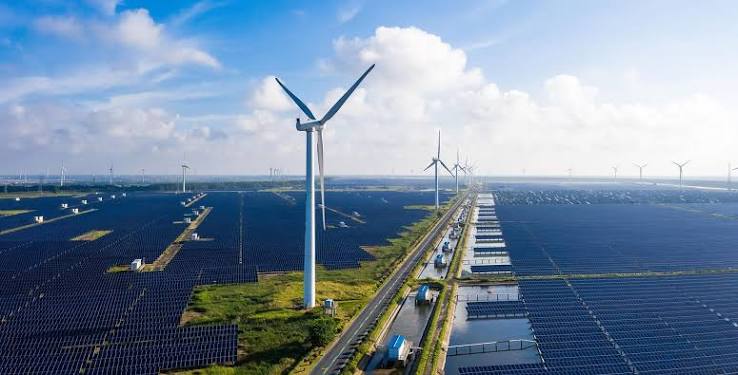
India has made significant progress in expanding solar and wind power. But renewable capacity alone does not guarantee energy security.
Solar generation varies with daylight, while wind output changes with weather conditions. As their share of the power mix rises, India will need greater investment in energy storage, transmission infrastructure, grid management and flexible generation.
The next phase of the transition will therefore be less about individual projects and more about building the infrastructure around them.
Storage Becomes Strategic
Energy storage could become one of the most important pieces of India’s clean-energy strategy.
Battery storage can help shift electricity from periods of high renewable generation to periods of peak demand. Pumped-storage projects can provide longer-duration flexibility, while emerging technologies could eventually expand the range of storage options available to utilities and industries.
For manufacturers, this creates opportunities across batteries, power electronics, thermal management, recycling and critical-mineral supply chains.
Industry Will Drive the Next Wave
India’s energy transition cannot be separated from its manufacturing ambitions.
Steel, cement, chemicals, automobiles, electronics and other industrial sectors require large and reliable quantities of energy. As global customers increasingly examine the carbon intensity of supply chains, access to lower-carbon electricity could become a competitive advantage for Indian manufacturers.
This could accelerate demand for renewable power purchase agreements, captive generation, storage and energy-efficiency technologies.
The transition, in other words, is moving from the power sector into the factory.
Green Hydrogen Moves From Promise to Execution
Green hydrogen remains another major component of India’s long-term energy strategy.
Its potential is particularly significant in sectors where direct electrification is difficult, including parts of steel, chemicals, refining and heavy transport.
But the next stage will require more than announcements and pilot projects. The industry will need competitive renewable power, electrolyser manufacturing, storage and transportation infrastructure, reliable demand and commercially viable projects.
The challenge is moving from demonstration to scale.
The Grid Will Become the Backbone
A renewable-heavy economy needs a stronger electricity grid.
India will have to expand transmission networks, improve inter-regional power flows and deploy increasingly sophisticated digital systems to balance electricity supply and demand.
This creates a substantial industrial opportunity for transmission equipment, transformers, switchgear, power-management systems, smart-grid technologies and digital energy platforms.
The energy transition is therefore also an infrastructure story.
The Leadership Question
For Indian business leaders, the energy transition should no longer be viewed simply as a sustainability agenda.
It is becoming a question of cost, competitiveness, resilience and long-term capital allocation.
Companies that secure reliable access to cleaner energy may be better positioned as global supply chains increasingly incorporate emissions considerations. Those that invest early in efficiency, electrification and renewable sourcing could also reduce exposure to fossil-fuel price volatility.
The leadership challenge is to make these investments while maintaining commercial discipline.
India’s Next Energy Advantage
India’s energy transition will not happen overnight, nor will it follow a single technology pathway. Solar, wind, nuclear power, hydro, storage, grids, green hydrogen and other technologies will need to work together.
The next phase is therefore not about replacing one energy source with another. It is about redesigning the architecture of India’s energy economy.
If India can combine renewable generation with storage, stronger grids, competitive manufacturing and industrial demand, the energy transition could become more than a climate strategy.
It could become a new source of industrial competitiveness, investment and economic growth.
The opportunity for India’s leaders is clear: build an energy system that does not merely support the economy of tomorrow, but helps create it.