
India’s Talent Challenge Is Changing
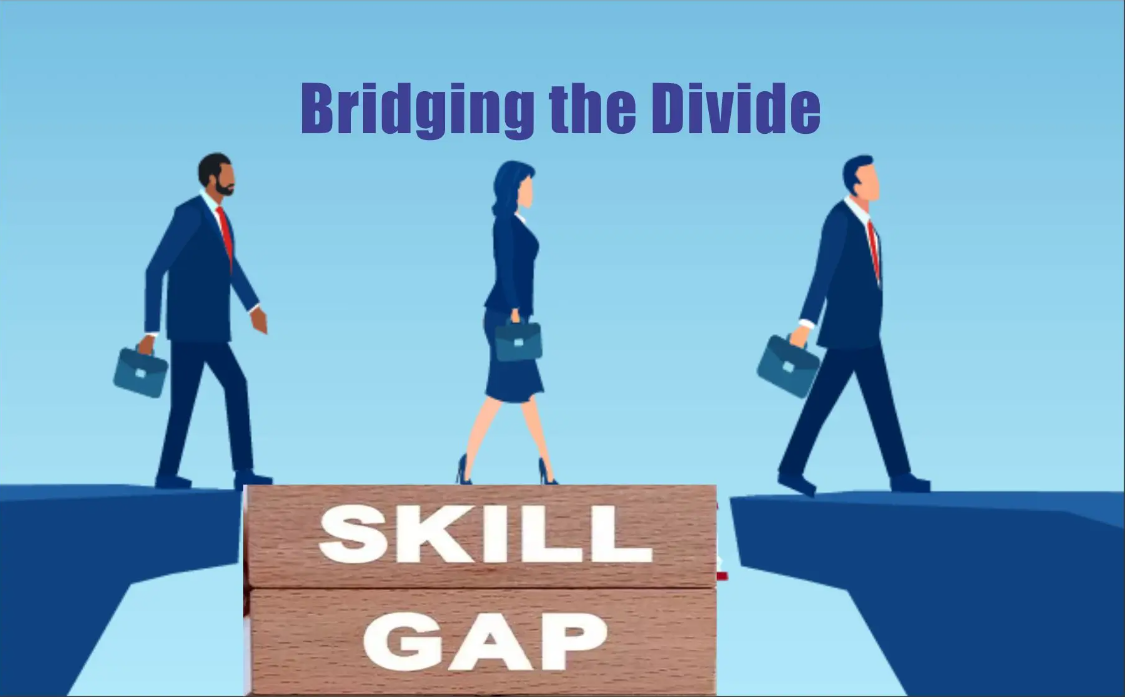
India is producing one of the world’s largest pools of graduates each year, yet employers across sectors continue to report a widening gap between academic learning and workplace expectations. As industries rapidly adopt artificial intelligence, automation, semiconductor manufacturing, renewable energy, robotics, and digital technologies, the demand for job-ready professionals has never been greater.
Recent hiring trends indicate that while companies are expanding recruitment, they are increasingly prioritising practical skills, problem-solving abilities, and digital competencies over conventional academic credentials. This shift has reignited discussions around curriculum reform and the need for stronger collaboration between educational institutions and industry.
Employers Want Skills, Not Just Degrees
The traditional education model has long focused on theoretical knowledge, but today’s industries require graduates who can adapt to emerging technologies and evolving business environments.
Manufacturing companies are seeking engineers familiar with smart factories and industrial automation. Technology firms require expertise in AI, cloud computing, cybersecurity, and data analytics. The semiconductor industry is creating demand for specialists in chip design and electronics, while the renewable energy sector is looking for professionals skilled in battery technology, energy storage, and sustainability.
Employers are increasingly looking for graduates who can contribute from day one, making practical exposure a critical component of higher education.
Universities Are Rethinking Curriculum Design
Recognising these changes, universities across India are introducing industry-aligned programmes, interdisciplinary courses, and flexible learning pathways. Institutions are expanding offerings in artificial intelligence, machine learning, semiconductor engineering, electric mobility, robotics, fintech, and digital manufacturing.
Many universities are also incorporating project-based learning, industry case studies, and experiential education into their curricula. These changes aim to ensure students graduate with both technical knowledge and practical problem-solving skills.
Industry-Academia Partnerships Gain Momentum
One of the strongest responses to the skills gap has been the rise of industry-academia collaboration. Companies are working directly with educational institutions to co-design curricula, establish innovation labs, sponsor research projects, and provide internship opportunities.
Leading technology firms, manufacturing companies, and multinational corporations are investing in Centres of Excellence on university campuses, giving students access to industry-standard tools, software, and real-world challenges. These partnerships not only improve employability but also accelerate innovation and research.
Beyond Technical Skills
Industry leaders emphasise that employability extends beyond technical expertise. Communication, teamwork, critical thinking, adaptability, leadership, and ethical decision-making have become equally important in today’s workplace.
As AI automates repetitive tasks, human-centric capabilities such as creativity, collaboration, and innovation are becoming powerful competitive advantages. Educational institutions are therefore placing greater emphasis on holistic learning alongside technical education.
Policy Reforms Support Workforce Readiness
The National Education Policy (NEP) 2020 has encouraged multidisciplinary education, flexible curricula, academic credit mobility, and closer industry engagement. These reforms are helping institutions redesign programmes that respond more effectively to changing economic and technological demands.
Government initiatives supporting semiconductor manufacturing, digital transformation, green energy, and advanced manufacturing are also influencing universities to develop specialised courses that align with national development priorities.
Building a Future-Ready Workforce
Closing the skills gap requires sustained collaboration between educators, policymakers, and industry. Universities must continue modernising curricula, companies need to invest in training and mentorship, and students should embrace lifelong learning as technologies continue to evolve.
India’s demographic advantage can only translate into economic leadership if its education system produces graduates equipped for the industries of tomorrow. Curriculum reform is no longer simply an academic exercise—it has become a strategic imperative for strengthening innovation, improving employability, and supporting the country’s ambition to become a global hub for technology, manufacturing, and knowledge-driven growth.