
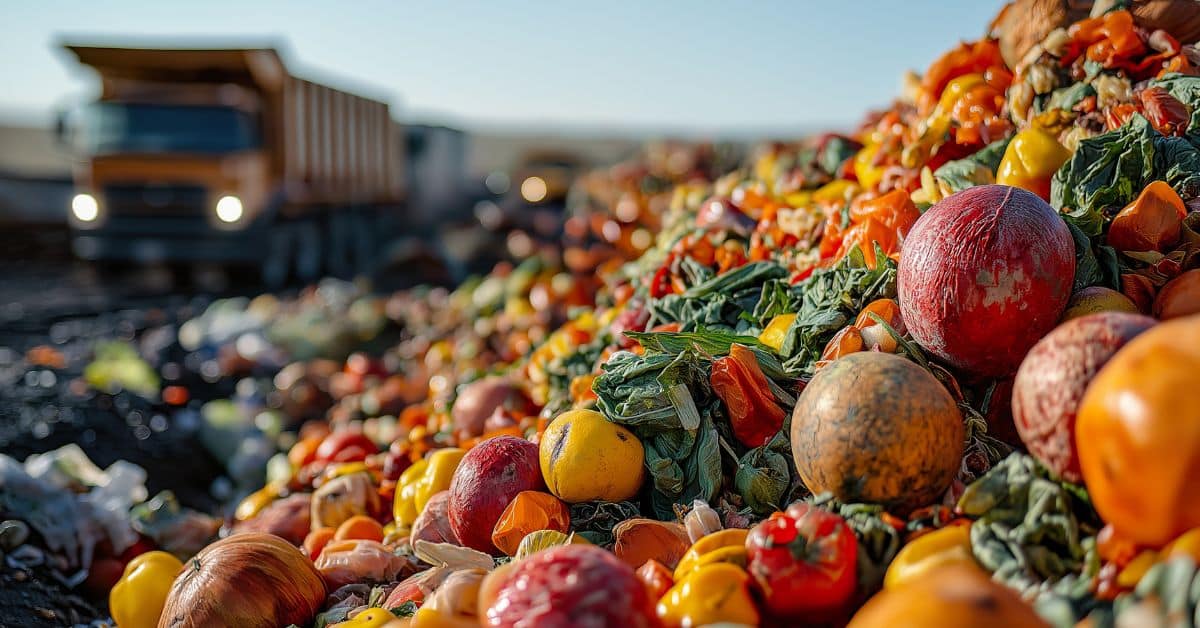
How artificial intelligence, cold-chain infrastructure, smart logistics, and digital supply chains are helping India reduce food waste and build a more efficient food ecosystem.
The Challenge of Food Waste
India is one of the world’s largest producers of agricultural commodities, yet a significant share of fruits, vegetables, and other perishables is lost before reaching consumers. Inadequate storage, fragmented logistics, and inefficient supply chains contribute to post-harvest losses, impacting farmers’ incomes and food security.
Today, technology is emerging as a powerful solution to bridge these gaps.
Building Smarter Supply Chains
Digital platforms are connecting farmers, processors, distributors, and retailers through real-time data and improved visibility. Artificial intelligence, IoT sensors, and predictive analytics help monitor inventory, forecast demand, and optimize transportation, reducing delays and spoilage.
Companies such as Ninjacart, WayCool Foods, and DeHaat are modernising agricultural supply chains by improving market access and streamlining farm-to-market operations.
Cold Chain Infrastructure Making a Difference
Modern cold storage facilities, refrigerated transport, and temperature-controlled warehouses are helping preserve the quality of perishable products throughout the supply chain.
These investments not only reduce food waste but also enable farmers and food processors to reach distant markets without compromising product quality.
Technology Creating Sustainable Food Systems
Automation, smart packaging, and digital traceability are improving food safety while making supply chains more transparent and efficient. By reducing waste and improving resource utilisation, these innovations support both environmental sustainability and business profitability.
The Road Ahead
Reducing food waste requires more than better storage—it demands a connected ecosystem where technology, infrastructure, and collaboration work together. As digital supply chains and smart logistics continue to evolve, India has the opportunity to build a more resilient and sustainable food economy.
The future of India’s food supply chain will not be measured only by how much it produces, but by how efficiently it delivers every harvest from farm to table.